
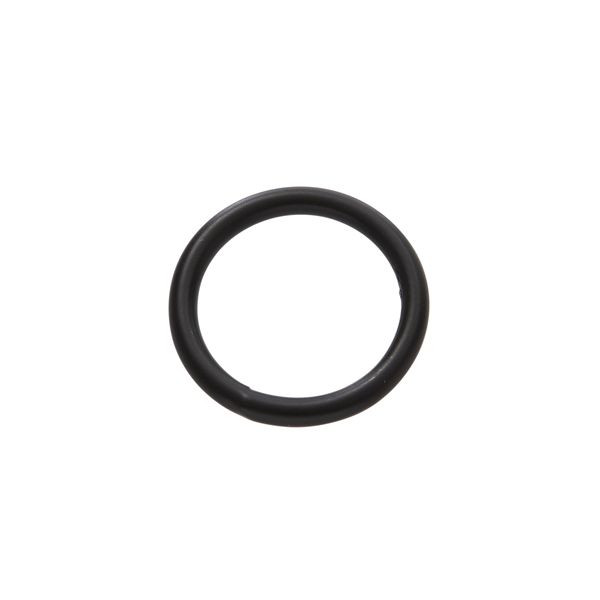
O-Rings
O-rings are circular metal connectors used to create secure attachment points for straps, webbing, chains, and hardware components in industrial and consumer products.
Unlike D-rings, O-rings have a fully round shape that allows straps and hardware to move freely around the connector. This makes them widely used in bag manufacturing, pet equipment, cargo systems, and industrial strap assemblies.
Granat Industries supplies O-rings in multiple materials and finishes for manufacturers and distributors who require reliable strap hardware for OEM production and bulk purchasing.
Showing all 20 results
 Download as PDF
| Item Name | Item # | Size | Type | Thickness | Material | Units Per Package | |
|---|---|---|---|---|---|---|---|
| 1 1/2 in O-Ring – Nickel Plated – .192 in Wire | 1 1/2 in | Steel | 1000 | ||||
| 1 in O-Ring – Black Resin – .145 in Wire | ORING1DULLBLKW | 1 in | Welded | .145 in | Steel | 2,500 | |
| 1 in Stainless Steel O-Ring – .156 in Wire | ORING1SS | 1 in | Welded | .156 in | Stainless Steel | 2,000 | |
| 1 in O-Ring – Nickel Plated – .155 in Wire | ORING1NW | 1 in | Welded | .155 in | Steel | 2,500 | |
| 1 in O-Ring – Zinc plated – .177 in Wire | ORING1ZW | 1 in | Welded | .177 in | Steel | 2,000 | |
| 1 1/4 in O-Ring – Nickel Plated – .177 in Wire | ORING114NW | 1 1/4 in | Welded | .177 in | Steel | 2,500 | |
| 1 1/2 in O-Ring – Nickel Plated – .243 in Wire | ORING112NW | 1 1/2 in | Welded | .243 in | Steel | 650 | |
| 2 in O-Ring – Nickel Plated – .243 in Wire | ORING2N | 2 in | Welded | .243 in | Steel | 500 | |
| 7 in O-Ring – Nickel Plated – .105 in Wire | ORING7Z | 7 in | Welded | .105 in | Steel | 500 | |
| 1 1/2 in Zinc Die Cast O-Ring – Antique Brass – .192 in Wire | ORING112ZDC-AB | 1 1/2 in | Welded | .192 in | Zinc Die Cast | 1,200 | |
| 1 1/2 in Zinc Die Cast O-Ring – Nickel Plated | ORING112ZDCN | 1 1/2 in | Welded | .192 in | Zinc Die Cast | 1,200 | |
| 1 1/8 in Stainless Steel O-Ring – Argon Welded | ORING118SSAW | 1 1/8 in | Welded | .155 in | Stainless Steel #304 | 2,500 | |
| 2 1/2 in O-ring – Nickel Welded – .312 in Wire | ORING212NW | 2 1/2 in | Welded | .312 in | Steel | 200 | |
| 1 in O-Ring – Nickel Welded – .135 in Wire | W00167-20-20001 | 1 in | Welded | .135 in | Steel | 4,000 | |
| 1 1/4 in Saddlery O-Ring with Triangle – Brass Plated | TRI114BW | 1 1/4 in | Welded | .196 in | Steel | 800 | |
| 1 1/8 in Saddlery O-Ring with Triangle – Brass Plated | TRI118BW | 1 1/8 in | Welded | .196 in | Steel | 900 | |
| 1 3/4 in Solid Brass O-Ring – .237 in Wire | ORING134SB | 1 3/4 in | Cast | .273 in | Solid Brass | 500 | |
| 1 1/2 in O-Ring – Black Resin – .228 in Wire | ORING112DBR | 1 1/2 in | Welded | .228 in | Steel | 600 | |
| 1 1/2 in Stainless Steel O-Ring – .236 in Wire | ORING112SS | 1 1/2 in | Welded | .236 in | Stainless Steel #304 | 700 | |
| 2 1/4 in Argon Welded O-Ring – Zinc Plated – .374 in Wire | ORING214AWZ | 2 1/4 in | Argon Weld | .374 in | Steel | 200 |
O-Rings: Quick Definition
O-rings are circular metal connectors used as attachment points for straps, webbing, chains, and hardware components. Their round shape allows movement in multiple directions, making them useful for adjustable strap systems and flexible hardware connections.
They are widely used in bags, outdoor gear, pet equipment, industrial straps, and cargo hardware.
Key Specifications
- Product type: O-rings
- Available materials: Steel, stainless steel, zinc die cast, solid brass
- Available finishes: Nickel plated, black resin, zinc plated, antique brass, brass plated
- Available sizes: 1 in, 1 1/8 in, 1 1/4 in, 1 1/2 in, 1 3/4 in, 2 in, 2 1/4 in, 2 1/2 in, 7 in
- Typical uses: Strap connectors, bag hardware, equipment attachments
What Are O-Rings?
O-rings are circular metal connectors designed to attach straps, webbing, chains, or accessory hardware in manufactured products. Because the connector forms a complete circle, attached components can rotate freely around the ring.
This design allows greater movement and flexibility compared to D-shaped connectors. As a result, O-rings are commonly used in strap assemblies, bags, and equipment where movement between components is required.
Industrial Uses of O-Rings
Metal O-rings are widely used across many industries as general-purpose hardware connectors. Their circular shape allows straps and attachments to move naturally while still maintaining a secure connection.
- Backpacks, bags, and luggage strap hardware
- Pet collars, leashes, and harness systems
- Industrial strap and webbing assemblies
- Cargo and load securing hardware
- Outdoor equipment and tactical gear
- Fashion accessories and garment hardware
Because they provide flexible movement, O-rings are often used where hardware components must pivot or rotate during use.
Material Options for O-Rings
O-rings are produced in several materials depending on the strength, weight, and corrosion resistance required for the application.
- Steel provides strong and durable hardware suitable for many general industrial applications.
- Stainless steel offers improved corrosion resistance for outdoor or high-moisture environments.
- Zinc die cast allows lightweight hardware with consistent shapes for consumer products.
- Solid brass provides corrosion resistance and a distinctive metallic appearance often used in premium hardware.
Selecting the correct material helps ensure the connector performs reliably in its intended environment.
Available Hardware Finishes
Metal O-rings are available in a variety of finishes to provide corrosion protection and match product design requirements.
- Nickel plated
- Black resin coating
- Zinc plated
- Antique brass finish
- Brass plated finish
These finishes help protect the underlying metal while giving manufacturers flexibility when selecting hardware for their product designs.
Available O-Ring Sizes
O-rings are sized according to the internal diameter of the ring, which determines the width of straps or hardware that can pass through the connector.
- 1 inch O-rings
- 1 1/8 inch O-rings
- 1 1/4 inch O-rings
- 1 1/2 inch O-rings
- 1 3/4 inch O-rings
- 2 inch O-rings
- 2 1/4 inch O-rings
- 2 1/2 inch O-rings
- 7 inch O-rings
Choosing the correct size ensures compatibility with straps, webbing, or hardware components used in the final product.
O-Rings for OEM Manufacturing and Bulk Hardware Supply
O-rings are widely sourced by manufacturers as standardized hardware components used in product assembly. Because they are simple, durable connectors, they can be integrated into many different equipment and consumer product designs.
Industries that commonly use O-rings include:
- Bag and luggage manufacturing
- Outdoor and tactical gear brands
- Pet equipment manufacturers
- Industrial strap and harness producers
- Fashion accessory manufacturers
Bulk sourcing allows manufacturers to maintain consistent hardware specifications and simplify procurement across production runs.
O-Rings FAQ
What are O-rings used for in hardware applications?
Metal O-rings are used as attachment points for straps, webbing, chains, and hardware components in bags, pet equipment, cargo systems, and industrial strap assemblies.
What materials are O-rings made from?
O-rings can be manufactured from steel, stainless steel, zinc die cast alloys, or solid brass depending on the required strength and corrosion resistance.
What is the difference between O-rings and D-rings?
O-rings are completely circular and allow hardware to move freely around the connector, while D-rings have a flat side that helps stabilize straps and limit movement.
What finishes are available for metal O-rings?
Common finishes include nickel plated, black resin, zinc plated, antique brass, and brass plated coatings.
What sizes are available?
O-rings are available in sizes ranging from 1 inch to 7 inches depending on the strap or hardware application.
Which industries commonly use O-rings?
O-rings are commonly used in bag manufacturing, outdoor equipment, pet products, industrial strap systems, and fashion accessories.